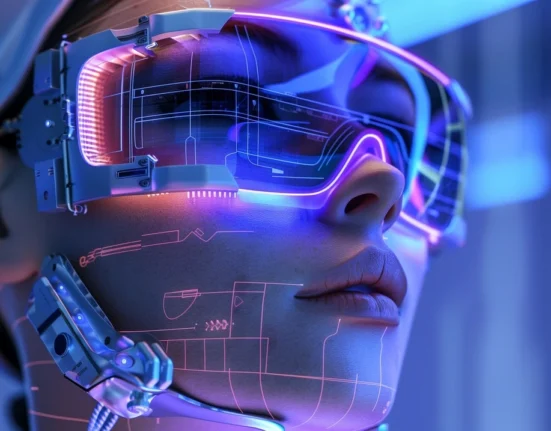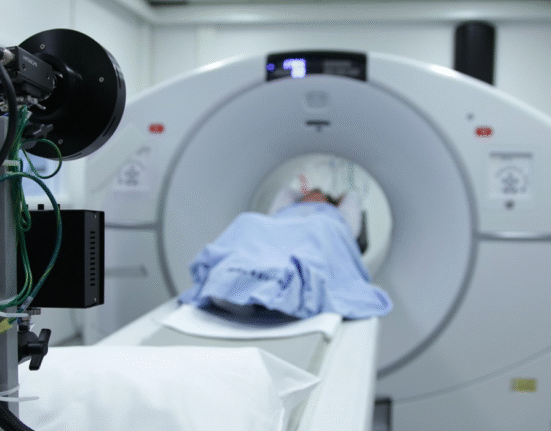







Healthcare is undergoing a profound transformation. What once relied almost exclusively on in-person visits, manual record-keeping, and generalized treatment plans is now evolving into a highly digital, data-driven, and personalized ecosystem. Healthcare is not only being redefined by technology, but also supported by it. From artificial intelligence to robotic surgery, wearable diagnostics, biotech breakthroughs, and virtual care models, the future of healthcare promises unprecedented efficiency, accessibility, and precision.
This article explores the key technologies shaping the future—and what they mean for patients, providers, and the industry at large.
1. Artificial Intelligence: The New Brain of Healthcare
Artificial intelligence (AI) is arguably the most influential force in modern medicine.
AI in Diagnosis
AI systems can now analyze X-rays, CT scans, and MRIs with accuracy equal to or better than human specialists. Machine learning models detect early signs of:
- Cardiovascular diseases
- Neurological disorders
- Diabetic retinal disease.
This accelerates diagnosis and allows earlier intervention—often when disease is still reversible.
AI in Clinical Decision-Support
AI tools also evaluate patient histories, lab results, and genomics to recommend personalized treatment plans. Instead of one-size-fits-all medicine, we move toward precision therapy tailored to individual biology.
AI for Supporting Clinical Decisions
AI tools also evaluate patient histories, lab results, and genomics to recommend personalized treatment plans. Instead of one-size-fits-all medicine, we move toward precision therapy tailored to individual biology.
AI in Administrative Processes
Up to one-third of healthcare costs come from administrative overhead.
AI can automate:
- Appointment scheduling
- Insurance claims
- Billing
Coordination of care Reducing this burden frees clinicians to focus on patient care, not paperwork.
2. Telemedicine and Virtual Care Will Become Standard
The pandemic accelerated telemedicine’s adoption, but remote care is far from a temporary fix—it is becoming a core pillar of healthcare.
Why Telemedicine Is Here to Stay:
- Convenience: Patients receive care from home.
- Access: Rural, disabled, and elderly populations get continuous support.
- Scalability: Providers can oversee more patients efficiently.
- Cost-effectiveness: Reduces ER visits and hospitalizations.
- Beyond Video Calls: The Virtual Hospital
New models include:
- Wearables for remote patient monitoring (RPM).
- At-home laboratory testing.
- Virtual specialists consultations.
- AI chat systems for diagnosing Some hospitals are building “hospital-at-home” programs, where patients with chronic conditions receive continuous remote oversight equivalent to inpatient care.
3. Wearables and IoT: Real-Time Health Monitoring
The rise of wearables and Internet of Medical Things (IoMT) devices is shifting healthcare from reactive to proactive.
Continuous Monitoring
Now, smart devices monitor:
- Heart rate and rhythm
- Sleep patterns
- Oxygen saturation
- Glucose levels
- Blood pressure
- Abnormal readings alert clinicians instantly, enabling early intervention and preventing emergencies.
Data-Driven Preventive Care
As billions of data points accumulate, predictive analytics can forecast:
- Potential heart attacks
- Insulin crashes
- Mental health episodes
- Medication adherence issues
This helps healthcare systems transition from treating illness to preventing it.
4. Robotics: Precision, Automation, and Support
Surgery, rehabilitation, and hospital operations are all being transformed by robotics. Robotic-Assisted Surgery
Robotic systems allow surgeons to perform minimally invasive procedures with unmatched precision.
Benefits include:
- Smaller incisions
- Shorter recovery times
- Reduced infection risk
- Robots in Hospitals
Robots now deliver medications, disinfect rooms, transport supplies, and assist with elderly care. They reduce human workload and improve safety—especially in infectious environments.
5. Genomics and Personalized Medicine
Genomics is unlocking a new era of individualized treatment. Sequencing a human genome once cost millions; now it is under $200—and falling.
Impact on Healthcare
- Tailored cancer therapies based on tumor DNA
- Pharmacogenomics, predicting how a patient responds to drugs
- Identification of genetic predispositions before symptoms emerge
- Early interventions for inherited diseases
Genomic data paired with AI creates a powerful engine for personalized care.
6. 3D Printing: Customized Solutions on Demand
3D printing is moving from laboratories to clinical practice.
Applications Include:
- Patient-specific surgical guides
- Custom prosthetics and orthotics
- Dental implants tissue (and eventually organ) bioprinting.
- Customized, on-demand manufacturing reduces costs and increases treatment success rates.
7. Blockchain and Cybersecurity: Protecting Patient Data
Healthcare data breaches are among the most expensive of any industry. Security becomes increasingly important as digital health develops.
Why Blockchain Helps:
- Storage that is distributed tamper-resistant patient records
- Secure data sharing among hospitals, insurers, and researchers
Future healthcare systems will rely on blockchain to guarantee data integrity and patient privacy.
9. Augmented and Virtual Reality in Training and Treatment
AR and VR technologies are enhancing both medical education and patient outcomes.
Medical Training
Students and surgeons can rehearse complex procedures in virtual environments before operating on real patients.
Patient Treatment
VR assists with:
- Pain management
- Physical therapy
- Treatment of phobias
- Stroke rehabilitation
Therapy without drugs or invasive procedures is possible in immersive environments.
9. The Rise of Smart Hospitals
Smart hospitals integrate AI, robotics, IoT, and digital infrastructure to create a seamless, efficient environment.
Features Include:
- Automated patient check-ins
- Real-time location systems for equipment and staff
- ICU-based AI-powered early warning systems predictive bed management
- Digital twins to simulate workflows and improve efficiency
- Costs are significantly reduced and patient outcomes are improved by these hospitals.
10. Ethical, Social, and Policy Challenges
With innovation comes responsibility.
Key Issues:
- Data privacy and patient consent
- Bias in AI algorithms
- Digital divide among individuals High costs of emerging technologies
- Regulatory frameworks.
- To ensure that healthcare technology benefits everyone, not just the privileged, it is essential to address these obstacles.
Conclusion: A Healthier, Smarter, More Connected Future
Technology is reshaping healthcare more rapidly than any time in history. The future promises a system that is:
- Personalized to individual biology
- Proactive as opposed to reactive connected through digital infrastructure
- Accessible to remote and underserved communities
- Efficient with reduced costs and administrative burden
As these innovations converge—AI, genomics, robotics, wearables, and virtual care—the healthcare landscape will evolve from treating disease to maintaining lifelong wellness.
The future of healthcare is not just about technology; it’s about using technology to deliver better human outcomes. And that future is closer than we think.