

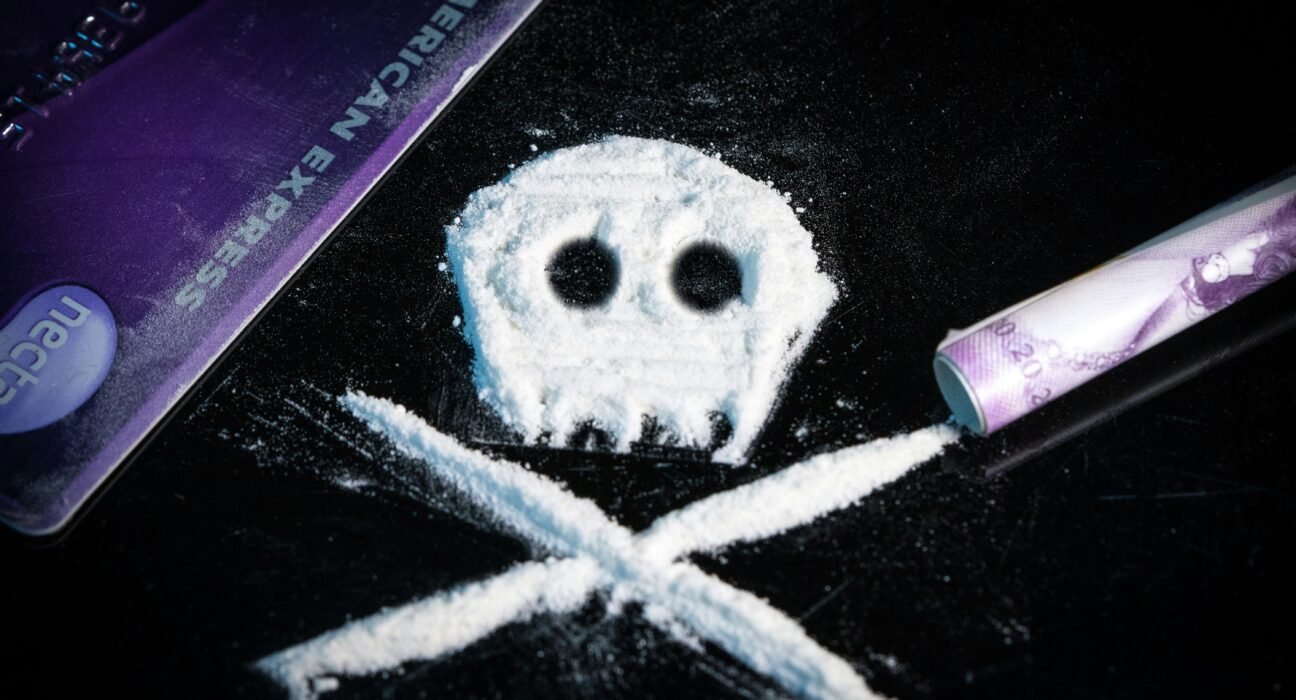
Many times, drug addiction is misinterpreted as a moral failing or a lack of willpower. Addiction is actually a complicated brain illness that significantly changes how the mind functions, including how it sees reality, experiences pleasure, makes decisions, and manages stress. In order to comprehend addiction, we need to investigate what happens inside the brain when drugs take over.
The mental and neurological processes that take place during addiction are broken out in this article, which helps explain why recovery takes time but is definitely achievable and why quitting is so challenging.
The Brain’s Reward System: Where Addiction Begins
At the core of addiction lies the brain’s reward system, a network of structures designed to keep us alive. This system reinforces behaviors necessary for survival—like eating, social bonding, and reproduction—by releasing a chemical called dopamine.
Dopamine doesn’t just make you feel good; it teaches your brain what is worth repeating.
When something pleasurable happens:
- Dopamine is released
- The brain marks the experience as important
- You feel motivated to do it again
Drugs hijack this system.
Dopamine on Overdrive: Why Drugs Feel So Powerful
The majority of addictive substances, including alcohol, nicotine, cocaine, heroin, and methamphetamine, produce enormous dopamine spikes that are significantly greater than those caused by natural rewards.
For instance:
- Food consumption may marginally raise dopamine levels.
- Two to ten times more dopamine can be released by drugs.
This produces a strong sense of relaxation, relief, or exhilaration. The brain picks things up fast:
“This material is crucial for survival.”
The brain starts to prioritize the drug over everything else even after a few uses.
How the Brain Changes With Repeated Drug Use
1.Tolerance: When “Enough” Is Never Enough
The brain gradually lessens its sensitivity to dopamine in an effort to restore equilibrium. Tolerance results from this, which means:
- The medicine no longer has the same effect at the same dosage.
- To feel “normal” or become high, higher dosages are required.
In the end, the medicine is more about avoiding discomfort than it is about experiencing pleasure.
2.Dependency: When the Drug Is Necessary for the Brain to Work
The brain starts to become dependent on the drug as it adjusts to its presence. When the medication is not present:
- Dopamine levels collapse
- An increase in stress hormones
- The onset of withdrawal symptoms
Anxiety, despair, anger, physical pain, nausea, insomnia, and strong cravings are a few examples.
Drug use now feels like a need rather than an option.
The Prefrontal Cortex: When Judgment Breaks Down
The area of the brain called the prefrontal cortex is in charge of:
- Making decisions
- Self-discipline
- Making plans for the future
- Recognizing the implications
This area is severely weakened by addiction.
Consequently:
- Impulse control declines
- Risk-taking rises
- Long-term effects feel aloof or unimportant
- Despite significant injury, the user may continue to use
Because of this, people who are addicted may behave in ways that appear illogical, even to themselves.
Memory, Triggers, and Cravings
The brain stores powerful memories associated with drug use:
- Places
- People
- Emotions
- Music
- Stress
These memories are deeply wired into the amygdala and hippocampus, areas involved in emotion and memory. Even long after stopping drug use, triggers can activate intense cravings—sometimes years later.
A craving is not a weakness; it’s a learned brain response.
Emotional Changes: Why Addiction Affects Mental Health
Chronic drug use disrupts the brain’s natural emotional balance.
Common psychological effects include:
- Anxiety and panic
- Depression and emotional numbness
- Mood swings
- Irritability and anger
- Loss of motivation or pleasure (anhedonia)
Because the brain’s natural dopamine production is reduced, everyday life may feel flat or meaningless without the drug.
Stress and the Addicted Brain
Addiction increases activity in the brain’s stress systems, particularly involving cortisol and norepinephrine.
This means:
- Stress feels more intense
- Coping skills are weaker
- The drug becomes a primary way to manage emotions
Ironically, the substance that once relieved stress now creates it—locking the brain into a vicious cycle.
Why Quitting Is So Hard
Quitting drugs isn’t just about stopping a behavior—it’s about rewiring the brain.
Challenges include:
- Persistent cravings
- Emotional instability
- Impaired decision-making
- Fear of withdrawal
- Lack of pleasure in normal activities
This is why relapse is common and should be seen as a signal for more support, not failure.
The Hope: The Brain Can Heal
The most important truth about addiction is this:
The brain is changeable.
With sustained abstinence and support:
- Dopamine systems gradually recover
- The prefrontal cortex strengthens
- Emotional balance improves
- Cravings decrease in frequency and intensity
Recovery may take months or years, but healing does happen.
Therapies, medication-assisted treatment, community support, exercise, sleep, and purpose all help rebuild the brain.
Addiction is not a moral failing
Understanding what happens inside the addicted mind changes how we view addiction:
- It is not about weakness
- It is not about lack of values
- It is a brain disorder shaped by biology, environment, and experience
Compassion, treatment, and education—not shame—are the most effective responses.
Conclusion
When someone is addicted to drugs, their mind is not broken—but it is altered. Drugs reshape the brain’s reward system, weaken self-control, intensify stress, and distort motivation. These changes explain why addiction is so powerful—and why recovery requires more than willpower alone.
By understanding the science behind addiction, we move closer to empathy, effective treatment, and real hope.