

Education is undergoing a profound transformation. What was once confined to chalkboards, textbooks, and physical classrooms has evolved into a dynamic, interactive, and personalized learning ecosystem powered by technology. Today’s learners are digital natives, and the education landscape is rapidly adapting to meet their needs through innovative tools, platforms, and methodologies. From AI-driven tutors to immersive virtual reality classrooms, technology is redefining how we teach, learn, and connect.
In this blog, we explore how technology is transforming education, the opportunities it offers, the challenges it brings, and what the future of digital learning looks like.
1. The Digital Shift in Education
For decades, education was structured around traditional, physical spaces with standardized approaches. The digital revolution has disrupted this model by:
- Making learning accessible anytime, anywhere
- Using interactive content to improve student engagement Empowering teachers with powerful teaching tools
- Allowing personalized learning at scale
- Bridging geographical and socio-economic gaps
The global pandemic accelerated this shift. What began as a necessity—remote learning—has now become a catalyst for long-term change, sparking widespread adoption of educational technology (EdTech).
2. Key Technologies Transforming the Learning Experience
Artificial Intelligence (AI)
AI has become one of the most influential drivers of digital education. Its applications include:
- Personalized learning paths based on student performance
- AI tutors and chatbots that provide instant help
- Automated grading and feedback, reducing teacher workload
- Predictive analytics that help identify learning gaps
AI ensures that every student learns at their own pace, resulting in more efficient and effective outcomes.
Virtual and Augmented Reality (VR/AR)
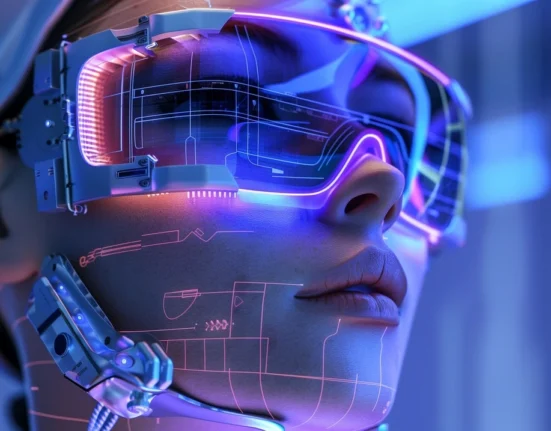
Students are able to experience learning in previously unimaginable ways thanks to immersive technologies. Virtual reality makes it possible to take virtual field trips, such as exploring ancient civilizations or walking on Mars. AR overlays digital information onto the physical world, bringing textbooks to life.
- Medical students can practice surgeries virtually.
- Engineering students can visualize 3D models in real-time.
- Learning is made more fun, memorable, and interactive with these tools.
Learning Management Systems (LMS)
Platforms like Google Classroom, Canvas, and Moodle help educators:
- Organize courses and assignments
- Monitor progress
- Distribute multimedia assets.
- Foster communication and collaboration.
Modern education is based on LMS platforms, which simplify administration and enhance learning outcomes.
Education Games and Gamification
Gamification leverages game elements—points, badges, leaderboards—to motivate and engage learners.
Benefits include:
- Increased motivation and participation
- Improved retention and understanding
- Enhanced capacity for critical thinking and problem-solving Games turn learning into an enjoyable experience rather than a chore.
Cloud Computing
Cloud-based tools allow for:
- Real-time collaboration
- Easy content storage and sharing
- Access to resources across devices
Because teachers and students can connect from anywhere, learning can continue beyond the classroom.
Mobile Learning
Mobile devices have turned every space into a potential learning environment.
Through apps, podcasts, interactive books, and micro-learning modules, students can:
- Learn on-the-go
- Access educational content instantly
- Communicate with peers and instructors effortlessly
Mobile learning particularly benefits remote learners and communities with limited access to computers.
3. How Technology Enhances the Learning Experience
- Personalized Learning
Traditional education often forces all students to follow the same pace. Technology changes this by offering:
- Adaptive tests individualized recommendations for content.
- Personalized assessments.
- Students who struggle receive more support, while advanced learners can move ahead faster.
- Collaboration and Communication
Digital tools foster global collaboration. Students can:
- Work on shared documents together.
- Participate in virtual group projects.
- Join forums, digital classrooms, and discussion boards.
This encourages teamwork, communication skills, and cross-cultural understanding.
- Inclusion and Accessibility
Technology opens doors for learners with disabilities through:
- Screen readers
- Speech-to-text tools
- Customizable interfaces
- Accessible digital content
It also breaks down barriers for students in remote or underserved areas.
- Increased Engagement and Motivation
Interactive videos, animations, simulations, and gamified lessons make learning enjoyable. Engaged students learn more effectively and develop stronger critical-thinking skills.
4. Challenges of Technology in Education
While the benefits are immense, there are significant challenges:
Digital Divide
Not all students have access to devices or reliable internet. This gap creates inequality in learning opportunities.
Teacher Training and Adaptation
Teachers need proper training to effectively use new tools. Resistance to change or lack of digital skills can hinder adoption.
Data Privacy and Security
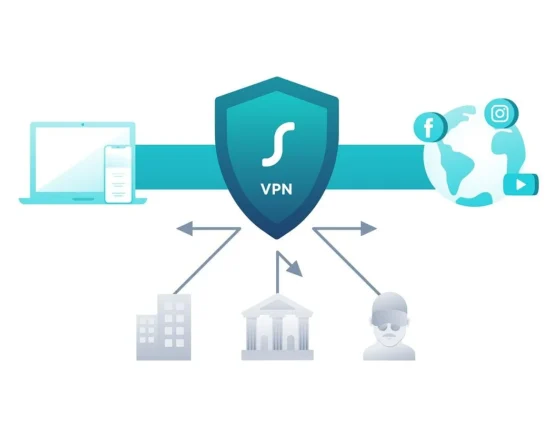
With increased digital activity comes higher risks of data breaches. Educational institutions must prioritize cybersecurity.
Screen Anxiety
Burnout and diminished focus can result from excessive screen time. Balanced digital and offline learning is essential.
5.The Future of Education: What Lies Ahead?
The next wave of EdTech will include:
- AI-powered personalized tutors for every student
- Holographic classrooms and mixed-reality learning environments
- Academic records and certificates protected by the blockchain Smart classrooms equipped with IoT devices
- Global virtual universities accessible to anyone, anywhere
- Education will become more decentralized, inclusive, and student-driven.
Conclusion
Technology is not just enhancing education—it is transforming it. The classroom of the future will be intelligent, personalized, and boundaryless. As we continue to innovate, the goal remains clear: to create an education system that empowers every learner to succeed, regardless of location, ability, or background.
By embracing the power of technology, we are shaping a future where learning is not confined to a classroom but is a lifelong, accessible, and enriching journey.