
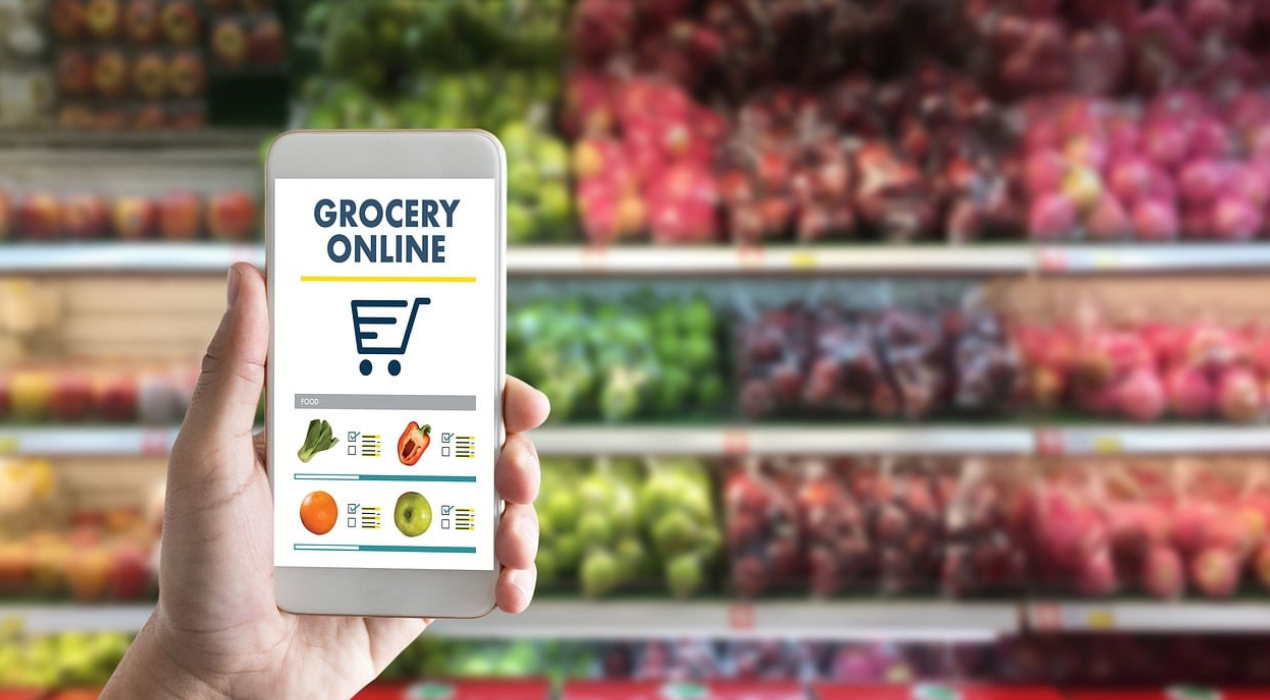
Online grocery delivery has grown from a niche convenience to a commonplace way to shop for food and other household necessities in recent years. Grocery apps have become an essential part of modern life due to consumers’ interest in avoiding grocery store trips, the spread of large-scale logistics networks, and rising speed expectations. But not all grocery-delivery apps are created equal: different apps offer different coverage areas, prices, delivery speeds, store partners, plus perks like membership programs.
In this blog we’ll walk through 10 of the leading apps in the USA, what they do best (and where to watch out), and how you can decide which app fits you.
1. Instacart
One of the most well-known independent grocery delivery platforms in the United States, Instacart lets you choose your store and have an “Instacart shopper” pick up and deliver your groceries.
Particular features: Support for multiple stores means you won’t have to stick to just one chain and can choose from a variety of options.
Same-day delivery: often in as little as one hour in many areas. The membership option known as “Instacart Express” offers free delivery on orders over a certain size.
Real-time shopper communication: you can message the shopper to request substitutions or changes.
Possibilities and disadvantages:
Delivery fees and service fees can add up, especially in peak hours or for smaller orders.
Due to convenience markup, prices may be higher than in-store or at a store’s direct online channel.
Even though there are many options, some rural or less dense areas may have fewer.
Ideal for: Families with busy schedules, customers who value speed and convenience, or customers who appreciate the ability to shop from multiple stores through a single app.
2. Amazon Fresh
In select U.S. cities, Amazon Fresh, Amazon’s grocery delivery arm that is frequently integrated with the Amazon app, delivers groceries and household goods to Prime members (and non-members in some markets).
Stand-out features:
Broad product assortment: Groceries + household & pantry items, often leveraging.
Integration into the Amazon ecosystem: This is convenient if you already shop on Amazon. Same-day or next-day delivery in some areas, or scheduled slots.
Considerations / drawbacks:
Only available in certain service areas (“select cities”) so check your ZIP code.
Additional prime membership or minimum purchase thresholds may apply for free delivery.
They may not always beat hyper-local or niche competitors in terms of freshness or ultra-fast delivery, despite their good speed.
Best for:
Existing Amazon/Prime users who want to streamline shopping for groceries into their Amazon ecosystem, especially in urban/suburban markets where service is strong.
3. Walmart Grocery
Walmart’s grocery-delivery service (via their app or website) offering both delivery and pickup (including curbside) from Walmart stores. It makes use of Walmart’s extensive U.S. store network.
Particular features: Extensive coverage: Walmart’s numerous physical locations facilitate delivery and pick-up options.
Pricing that is competitive: Due to Walmart’s size, it frequently matches or beats other retailers’ prices.
Flexible delivery/pickup options: Useful for customers who want in-store pickup or curbside rather than home delivery.
Possibilities and disadvantages:
Delivery fees or order minimums may apply.
The delivery experience—such as substitution quality and freshness—may vary based on crowding and the local store. Although speed is good, smaller “quick-commerce” players may have an advantage in ultra-fast delivery niches (such as under 30 minutes).
Ideal for: Customers who value their money, who live near a Walmart store and want a wide range of products, or who want to have the option of picking up their purchases in-store.
4. Shipt
Shipt is a grocery/essentials delivery service, currently owned by Target, that offers same-day delivery from a variety of retailers (Target, Costco, CVS, etc.) in many U.S. cities.
Stand-out features:
Fast delivery: A lot of orders can be done in one hour or in scheduled time slots.
Multi-retailer support:
- you’re not limited to a single store chain.
- Helpful for households needing both groceries + household goods, since Shipt covers both.
Possibilities and disadvantages:
- Membership may be required (or offers best value with membership).
- Availability and pricing may vary—and in some areas fewer store partners.
- Experience can be impacted by substitutions and availability, as with all such services.
Best for:
Busy families who want rapid delivery of both groceries and home/household items and are comfortable paying for a membership or premium service.
5. FreshDirect
FreshDirect is a U.S. online grocery store that delivers fresh produce to your door rather than running a chain of stores. It provides services to the New York metropolitan area and other Northeastern United States regions.
Stand-out features:
- Emphasis on freshness, particularly with regard to produce, meats, and items that have been handled with care.
- Good for urban/suburban customers who want high-quality grocery delivery.
- A good alternative to picking up from a local store when you don’t want to shop in-person.
Possibilities and disadvantages:
- Limited geographic coverage compared to national players—if you live outside their service area, it may not apply.
- Possibly higher prices because of their premium position. Some fees or minimum-order thresholds may apply (as with many of these services).
Ideal for: Customers in urban/suburban Northeastern U.S. who value fresh and premium grocery delivery and don’t mind possibly paying a bit more for higher quality.
6. Kroger Grocery
Kroger is one of the largest supermarket chains in the U.S. and their online/delivery/pickup services (via their app/website) let customers order groceries for delivery or store pickup.
Stand-out features:
- Utilizes a well-known supermarket brand with numerous locations. offers delivery and pickup options, allowing for a lot of flexibility.
- Loyalty & reward programs are often integrated (if you already shop at Kroger).
Possibilities and disadvantages:
- Delivery availability and fees vary by market and store.
- In non-prime time, speed may not always match “ultra-fast” specialists. User interface/user experience may vary depending on local store implementation.
Best for:
Existing Kroger customers who prefer to remain within a single retailer ecosystem (rather than a third-party aggregator) and want the convenience of online ordering and delivery/pickup.
7.Target Same Day Delivery
Target offers grocery and house-hold goods delivery via its “Same Day” service (often powered by Shipt) — so you can order groceries and non-grocery items, delivered quickly.
Particular features:
- Convenience of combining groceries and general-merchandise items in one order.
- In many markets, delivery the same day or very quickly. Known brand with many stores, pickup and drive-up options too.
Considerations / drawbacks:
- Delivery fees may apply; sometimes membership or minimum spends.
- The speed and availability vary depending on the ZIP code, despite being nationwide.
- For pure grocery-only users, other apps may offer more grocery-specific depth.
Ideal for: Shoppers who already visit Target, want a one-stop shop (groceries + household + general merchandise), and appreciate fast delivery from a trusted brand.
8. DoorDash (Grocery & Essentials)
Although DoorDash is well-known for delivering food to restaurants, the company has increasingly expanded into delivering groceries, snacks, essentials, and other staples from local stores to many markets.
Stand-out features:
- In addition to groceries, you frequently have access to convenience and corner-store items, household necessities, and other items.
- Wide network of delivery drivers (“Dashers”), which may help speed in dense urban areas.
- A good choice when you don’t need to do a full grocery shop but just need a quick “fill-in” order of essentials.
Possibilities and disadvantages:
- For full grocery orders (lots of produce/fresh goods) the depth may not match full-fledged grocery-specific apps.
- The substitution quality, markups, and fees may vary.
- City/region differences in availability and store selection are significant.
Best for:
Urban dwellers who want fast, small-to-medium grocery/essentials orders, maybe after the store is closed, or as a supplement to their main grocery shop.
9. Peapod
Peapod is one of the older online grocery delivery services in the U.S., operating as part of supermarkets (e.g., owned by Ahold Delhaize).
Particular features:
- Long experience in grocery-delivery space; established infrastructure in markets it serves.
- A good choice if you live in a protected area.
- Loyalty programs and other features may be possible with integration with specific supermarket chains.
Possibilities and disadvantages:
- When compared to national apps, coverage is less extensive (especially outside of major metropolitan areas).
- In some markets, speed or “express” delivery may be less competitive.
- Service and app experience may differ by region or store.
Best for:
Customers who value a well-known supermarket-based delivery service and may already shop with that chain in areas where Peapod operates.
10. GoPuff
GoPuff is a “quick-commerce” style delivery service that often specializes in smaller orders of essentials, snacks, household goods, and some grocery items — with very fast delivery (in many cases under 30–60 minutes) in selected markets.
Stand-out features:
- Fast delivery of small- to medium-sized orders; useful for customers who “just got home and need something now.”
- High convenience: In some markets you can order until late hours.
- Typically stocked for convenience/essentials rather than full supermarket breadth.
Possibilities and disadvantages:
- Items may cost more per unit (premium for speed).
- Less ideal for full weekly grocery shops with many produce/fresh items (though increasingly adding those).
- The cost of coverage and delivery varies greatly by city.
Best for:
When you need something quickly — last-minute staple items, snacks, household goods — rather than your full grocery basket. Urban users are likely to benefit most.
Apps that deliver groceries online have become increasingly common among Americans. The best option for you depends on your location, shopping habits, budget, and preferences for speed versus price versus retailer loyalty. There are many strong options available. From big-name retailers to niche organic markets, grocery delivery apps have transformed how Americans shop for food. Whether you’re looking for speed, savings, or sustainability, there’s a grocery app that fits your lifestyle.
These top 10 apps are leading the way in convenience, quality, and customer satisfaction—bringing the supermarket right to your screen.