







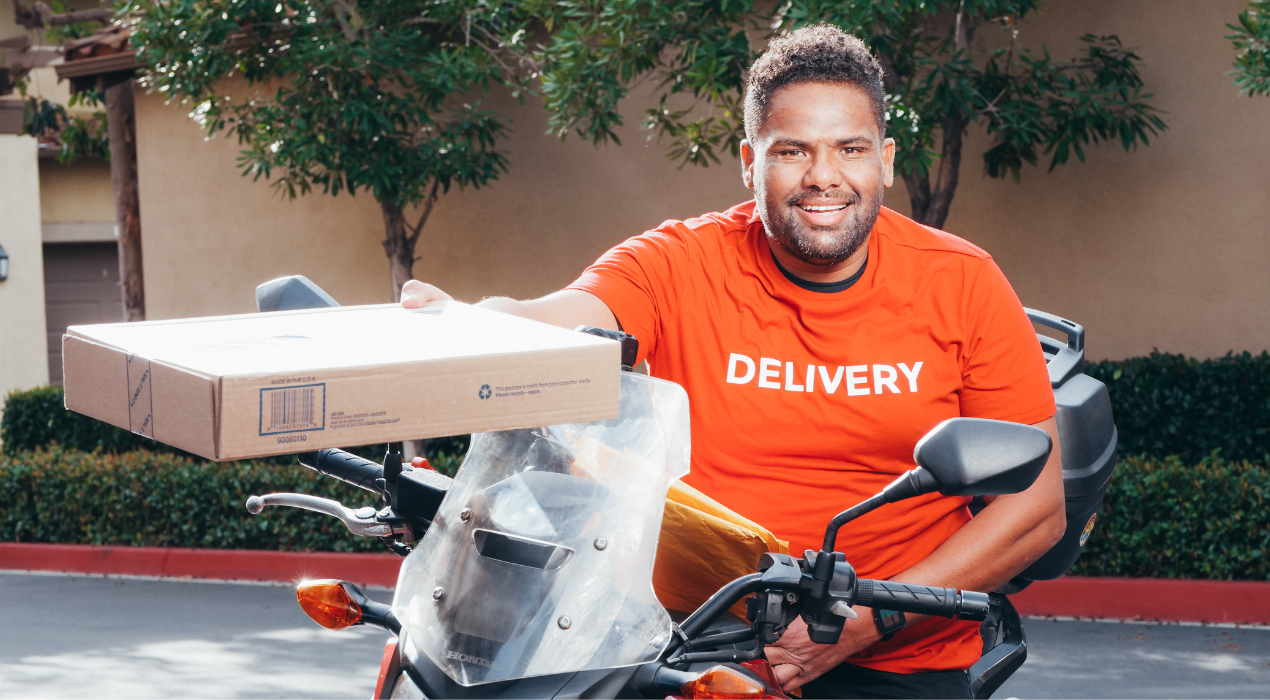
In the past decade, food delivery apps have transformed how we eat. What once was a phone call to order pizza has become a few taps on a smartphone, real-time tracking, and doorstep delivery. In the coming years, the global food delivery market is expected to reach hundreds of billions of dollars.
This blog looks at the top ten food-delivery apps in the world, exploring what each does best and how they’re shaping the future of meal delivery.
1. Uber Eats
Uber Eats uses its parent company’s ride-hailing network and operates in dozens of countries. It is frequently cited as the food delivery service with the greatest global reach.
Important aspects:
- Vast network of restaurants, including small eateries and large chains.
- Tracking of orders in real time Integration with Uber rides app in some markets.
Pros: Global reach, strong brand
Cons: Delivery costs or wait times may be longer in some markets that aren’t well served. The volume and breadth of its presence make it a global standard, which is why it ranks in the top ten.
2. DoorDash
A dominant player in North America, DoorDash has expanded aggressively and diversified into grocery and convenience deliveries.
Key features:
- Vast network of partner restaurants Models like a “DashPass” subscription for frequent users.
- Options for pickup/delivery hybrids and real-time tracking.
Pros: Proven in the United States, reputable service.
Cons: Outside North America its footprint is thinner (compared to some global players)
It is on the list because it has a significant share of the market and frequently innovates delivery models.
3. Swiggy
Based in India, Swiggy is often cited as one of the top food delivery apps in the Indian sub-continent.
Key features:
- Strong local presence across many Indian cities
- Effortless logistics and prompt delivery times grocery and instant delivery diversification (in some cities)
Pros: Predominant in a market with high growth, localization.
Cons: India’s market is highly competitive and margin-challenged.
The reason it is included is that due to its size in India, it competes globally for volume and growth potential.
4. Zomato
Zomato, which is also based in India, started out as a review site for restaurants and later expanded into delivery services. It has wide recognition and a large user base.
Key features:
- Extensive restaurant listings, reviews & ratings
- A user-friendly interface with a reputable name in the Indian market.
Pros: Comprehensive local insights and a large user base.
Cons: Outside of India, it is less prevalent than other brands. Its strong growth and local dominance make it important worldwide.
5. FoodPanda
FoodPanda combines food and some grocery delivery in multiple countries (Asia, Europe).
Important aspects:
A lot of restaurants choose from the Solid system for vouchers and offers a presence in a variety of markets, particularly Southeast Asia.
Positive: Prominent regional player in markets with high growth.
Cons: In very large markets (like the U.S. or China) it’s not the dominant name
It serves as an example of a “global but regional-strong” player.
6. iFood
A leading food delivery app in Latin America (especially Brazil).
Key features:
Strong penetration of the regional market Numerous users in a market that is expanding.
Pros: Deep local ties and high usage in Latin America
Cons: Less global breadth compared to some others
It reminds us that “global top-10” apps include regionally dominant apps in addition to global giants, which is why it is on the list.
7. Deliveroo
Deliveroo, which is based in the UK, has a significant presence throughout Europe and is frequently listed among major global players.
Important aspects:
- Large restaurant chains in Europe and the UK In some cases.
- Innovative delivery models like cloud kitchens.
Pros: Prominent European brand.
Cons: May face greater competition in other regions.
Because of its strength in Europe, it is important worldwide.
8. Grab Food
Grab, the “super-app” that also offers ride-hailing, has a strong food delivery arm in Southeast Asia.
Key features:
- Integration into a broader ecosystem of “super-apps” (like rides, food, and payments)
- Localised for many countries in Southeast Asia.
Pros: Strong regional brand and localized expertise.
Cons: Brand penetration is lower outside of its region.
It highlights that top apps aren’t only U.S. /China/India — regional giants are also important.
9. Meituan (Food Delivery Arm)
Meituan is one of the most popular apps for lifestyle services and food delivery in China.
Key features:
In the vast market of China, extremely large scale Multi-service ecosystem (food, grocery, services)
Pros: Large volume and robust ecosystem are advantages.
Cons: Less direct operational presence outside of China.
Its size and influence in the largest food delivery market make it one of the global heavyweights.
10. PedidosYa
A leading platform for food delivery in Latin America (particularly Argentina, Uruguay, and Chile).
Important aspects:
- Strong regional presence in Latin America.
- Operations tailored to Latin markets
Pros: High regional significance.
Cons: Not as well-known outside of its region worldwide.
It reminds us of regional leaders in the global list.
What a Consumer Should Look for in a Food Delivery App
- Restaurant selection and local options across the app Pricing that is clear, such as surge pricing, service fees, and delivery fees.
- Clear estimates of delivery times and real-time tracking.
- Options for paying (cards, wallets, and local methods) Offers, loyalty programs, subscriptions.
- Good UX & customer support.
- For markets like India, good coverage in your city is important because local dominance often takes precedence over a global brand.
The world of food delivery apps is vibrant and fast evolving. The competition is fierce and the pace is fast, from global giants like Uber Eats and DoorDash to regional leaders like Swiggy, Zomato, iFood, and Grab-Food. How these apps add value to users, restaurants, and couriers alike is most important. If you’re choosing an app (as a consumer) or studying the business (as an entrepreneur), the key is: reach, reliability, and user experience. The ten apps listed above represent the major players and trends shaping this global market.