
The fusion of various cultures over the course of 5000 years has resulted in a variety of flavors and regional cuisines in Indian cuisine. The Mughals, the British, and the Portuguese brought even more variety and fusion to the region. Yet, while delicacies vary by region and state, most are built from the same taste foundations, and there are many similarities in terms of spices and flavors, regardless of the geographical region.
The cuisines of South India and North India are largely responsible for the main differences. Since a lot of people in India’s northern states are vegetarian, many of the best vegetable dishes come from these states. South Indian cuisine is more rice-based, with dishes like dosas and spicy curries, while North Indian dishes frequently feature creamy gravies and breads like naan. Indian cuisine is known for its diverse regional flavours.
Top Ten Foods to Try in India
Here is a selection of some of the most popular Indian dishes to eat in India on vacation:
1. Biryani
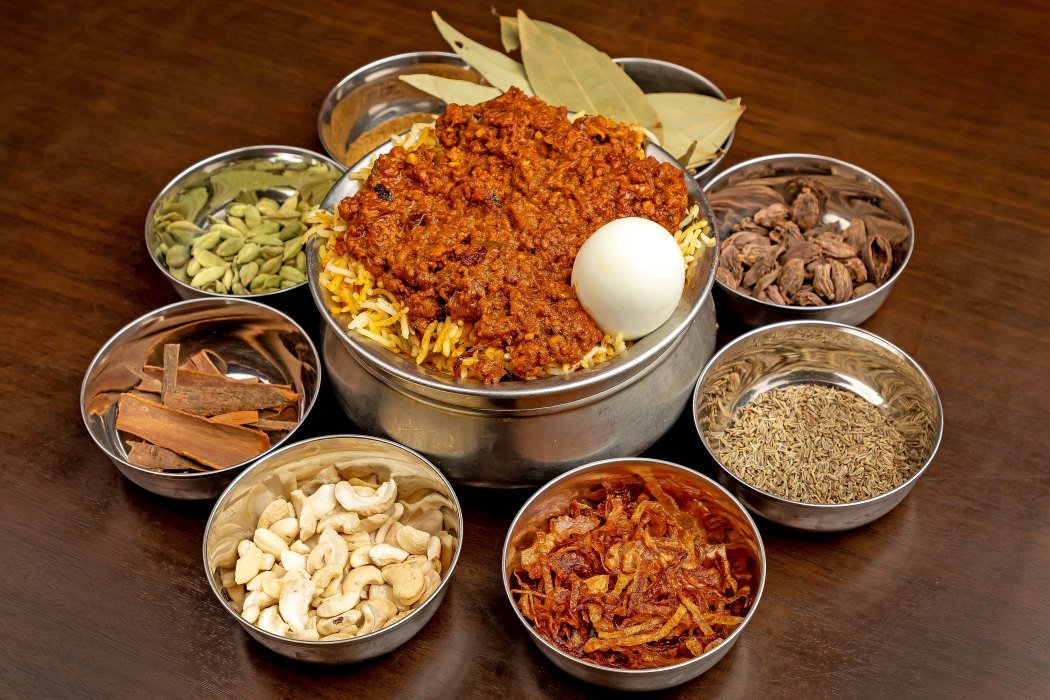
Biryani is a layered rice dish that is made with basmati rice, marinated meat (like chicken, mutton, or beef), and a combination of spices like cumin, garam masala, saffron, cardamom, cinnamon, cloves, and cumin. Boiled eggs, potatoes, fried onions, and yogurt-based raita are often good additions to the dish. The first bite of biryani offers a harmonious blend of fragrant rice, tender meat, and a spicy, aromatic profile. The fried onions add a crispy texture and the saffron adds a subtle sweetness. The combination of savory, spicy, and umami flavors in each bite is delightful. One of India’s most well-known dishes is called biryani, and people traditionally eat it with their hands, scooping the rice and meat up with bread like naan or paratha. Salad, boiled eggs, or raita, a yogurt with spices, are typically served alongside it. In some regions, it’s customary to eat biryani during special occasions or festivals.
2. Paratha
Indian bread with layers and a golden brown color is called a paratha and is typically eaten for breakfast. It is made with whole wheat flour and is baked in ghee, which is Indian clarified butter. It can be square, round, triangular, or hexagonal. Boiled potatoes, cauliflower, garlic, ginger, chili, paneer, or radish are all common fillings for parathas. Pickles, yogurt, and homemade chutneys are sometimes served with them, and meat and vegetable curries sometimes have them as a side. In Punjab, paratha is eaten with lassi, a popular yogurt-based drink.
3. Curry
In Indian cuisine, curry is a dish with many different flavors and ingredients. It usually has meat like chicken, mutton, or beef, basmati rice, or vegetables like potatoes, eggplant, or lentils. Curry’s spices, such as cumin, coriander, garam masala, and turmeric, are what make it unique. Additionally, ingredients like yogurt, coconut milk, or cream are often used to add richness and texture to the dish.
Curry has a delicious combination of spicy, savory, and rich flavors that make for a complex taste. The heat comes from chili and other spicy ingredients, while sweetness can be found from onions, tomatoes, or coconut milk. The curry is balanced by the addition of yogurt or cream, which gives it a smooth, rich texture. The contrasts of heat, sweetness, and richness are brought together in each bite to create a harmonious and memorable experience. Curry is a well-known dish in Indian cuisine. It is usually eaten with bread (like naan, roti, or paratha) or rice (usually basmati rice), which is ideal for scooping up the delicious sauce. To temper the heat, curry is frequently served with salad or raita, a yogurt-based dish.
4. Thali
A Thali is a typical Indian meal that is served on a single platter and is made up of a number of small dishes. Rice, dal (lentils), roti (naan), vegetables, pickles, yogurt (raita), and papad (a crispy flatbread) are typically included. The balance of sweet, sour, salty, and spicy flavors exemplifies the diversity of India’s well-known cuisine. With each bite, Thali offers a burst of flavor. The mildness of rice and yogurt goes well with the spicy dishes, like pickles or curry. The soft roti and crispy papad add texture, and the sweet dish—typically a small dessert—balances the meal. Each Thali is a one-of-a-kind experience because it is unique to each region of India. Traditionally, people eat a Thali with their hands, scooping up the various dishes with roti or naan. On the platter, the idea is to mix and match various flavors and textures to create a balanced experience with each bite.
5. Idli
Idli is a traditional steamed rice cake made from a rice and urad dal (black lentil) batter that has been fermented. The unique fluffy and spongy texture of idli is the result of the fermentation process. The rice and dal mixture is poured into round molds and steamed to perfection, creating soft cakes that are light and airy.
6. Pakora
Pakora is a savory, deep-fried Indian snack made with chunks of vegetables such as potato, cauliflower and eggplant, or meat of choice, which is then dipped in chickpea flour, seasoned with turmeric, salt, chili, or other spices, and deep-fried in ghee. It is a quintessential Indian snack, easily found on numerous street corners and most popular during spring, when the locals choose to celebrate the rainy season by eating fried foods.
7. Chaat
The many Indian street foods, snacks, and small meals that typically combine flavors of salt, spice, sweetness, and sour fall under the umbrella term “chaat.” They are usually small, consumed on their own as a snack, or combined with other dishes to form a big meal. Chaat is served at chaatwallas, which are street vendors in India who sell everything from stuffed bread to deep-fried pastries and dipping sauces.
8. Vada Pav
Vada Pav is a favorite sandwich-style snack from Mumbai, named after its ingredients: vada, or spicy mashed potatoes, which are deep-fried in chickpea batter; and pav, or white bread rolls. This iconic street food is said to have originated from a street vendor named Ashok Vaidya, who worked near the Dadar train station in the sixties and seventies, and came up with a way to satiate the hungry workers.
9. Butter Chicken
A dish of tender chicken in a tomato sauce that is lightly spiced. It is typically prepared in a tandoor, a cylindrical clay oven, for cooking. Fresh tomato, garlic, and cardamom are boiled until they form a bright red pulp, which is then used to make the gravy. After cooling, this pulp is then pureed. After that, butter, a variety of spices, and khoa—dried whole milk—are added. The dish was first made in the 1950s in Delhi.
10. Masala Dosa
The traditional southern Indian dish known as masala dosa is popular throughout the country, made from a batter of soaked rice and black lentils, which are ground into a paste and blended to create a thick batter, usually left to ferment overnight. The dosa has a golden-brown color and a delicious, crispy texture because of the addition of a few fenugreek seeds to the mixture. Before being topped with grated coconut and chopped coriander, it is baked into a thin pancake on a hot, oily griddle. Typically, it is stuffed with potatoes, onions, and mustard seeds. It can be served as a quick snack or as a breakfast dish.
Conclusion: How Travelling in India can give Diverse Food Experience
The country has such a wide range of flavors, spices, and cooking methods that visiting India can provide you with a rich culinary experience. The cuisine of India is unique to each region. For example:
- Buttery curries like butter chicken and breads like naan are popular in the north.
- Sambar, dosas, and curries made with coconut are some of the spicy options in the south.
- Gujarati thali and spicy Rajasthani dishes are popular in the West. Fish dishes and sweets like rasgulla are popular in the east.