





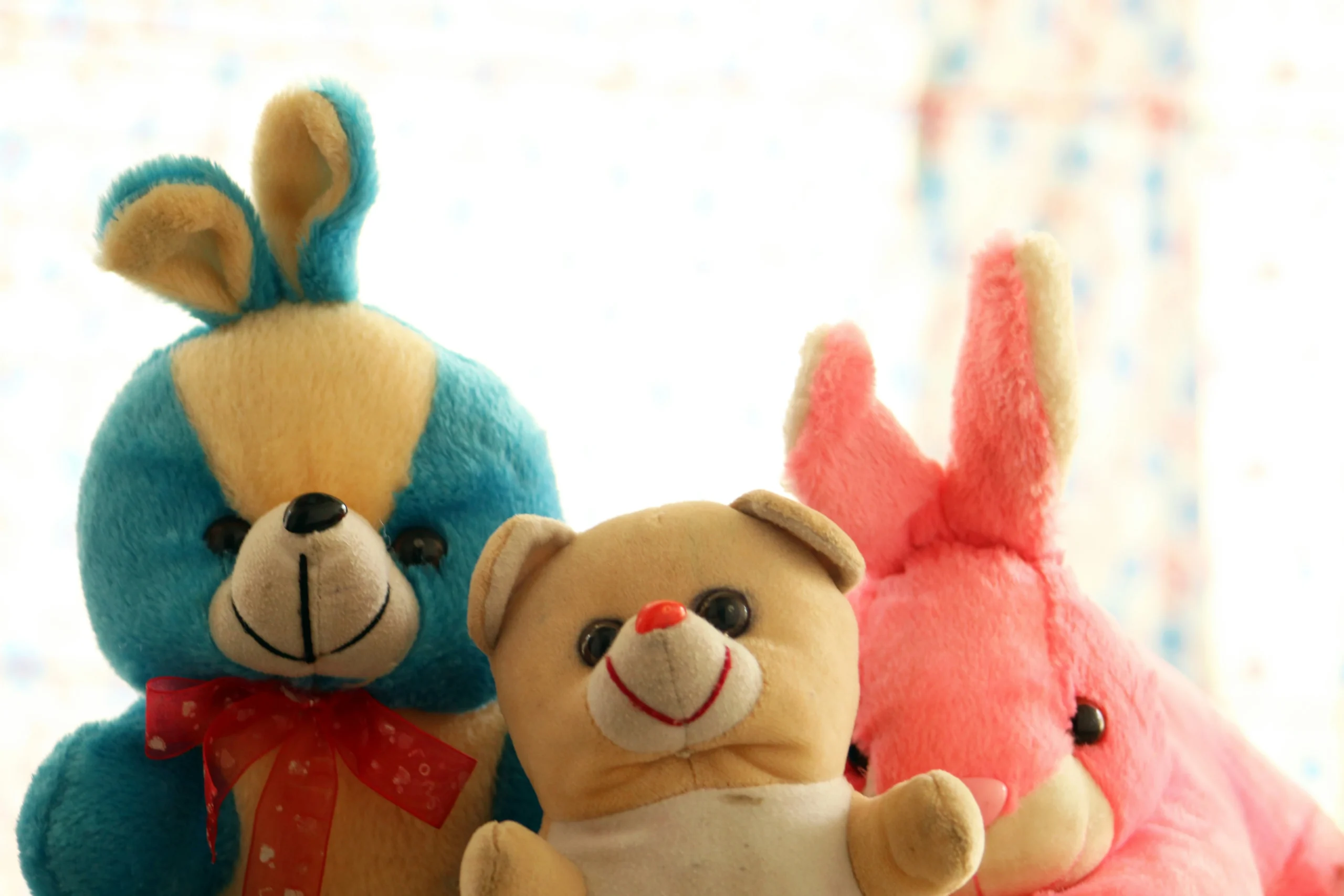
Children and adults alike have cherished soft toys for generations, collecting them or purchasing them as gifts. As a result, the soft-toy industry is still expanding internationally, providing new business owners with a bright future. A soft-toy company could be a fulfilling endeavor if you’re artistic, like creating, or just want to get into a lucrative manufacturing niche.
Whether you are an aspiring entrepreneur, a home-based crafter, or someone planning a full-scale factory, this comprehensive guide will walk you through everything needed to build a successful soft toy business.
1. Recognize the market for soft toys
It is essential to comprehend the market environment before starting a firm.
Trends in Demand
- Growing demand for organic, hypoallergenic, and environmentally friendly cotton toys
- Customized plush toys with names, characters, and pets are becoming more and more popular.
- Demand from schools, hospitals, gift shops, theme parks, internet retailers, and more
- Steady expansion of specialty toy websites and e-commerce sites like Etsy, Amazon, and Shopify
Soft Toy Types
Choose your niche in advance:
- Stuffed creatures
- Character and cartoon toys
- Cozy cushions and pillows
- Toys for education (alphabet, sensory toys)
- Ethnic dolls made by hand
- Personalized plush goods for brands
2. Strategy and Business Planning
Create a Business Plan
An effective business plan consists of:
- Goals and objectives
- Target clientele groups
- Research on competitors
- Product selection
Investment and budget
- Plan for manufacturing
- Channels of distribution
- Strategy for marketing
Calculate Initial Expenses
- Scale (factory, small workshop, or home-based) affects costs. Common classifications:
- Renting or setting up a workspace
- Tools and machinery
- Raw materials (thread, filling, and fabric)
3. Legal Requirements & Certifications
Compliance is essential in toy manufacturing due to safety concerns.
Business Registration
Choose a legal structure:
- Sole proprietorship
- Partnership
- LLC / Pvt Ltd company (ideal for growth)
Toy Safety Standards
Depending on your country, ensure compliance with toy safety standards such as:
- ASTM F963 (USA)
- EN 71 (EU)
- BIS IS9873 (India)
- ISO 8124 (International)
Other Licenses
- Trade license
- GST/VAT registration
- Factory license (if large scale)
4. Setting Up the Manufacturing Unit
The scale of your business will determine the kind of setup you need.
Location
Choose a place that:
- Has enough working space
- Is well ventilated
- Allows for easy movement of materials
- Has access to skilled labor
Machinery & Equipment
The basic machines you’ll need:
- Sewing machines (industrial recommended)
- Embroidery machine (optional but useful for customization)
- Cutting machine / scissors
- Stuffing machine (for bulk production)
- Overlock machine
- Fabric steamer
- Work tables
Raw Materials
Common inputs include:
- Cotton, velvet, felt, fleece, or plush fabric
- Polyester fiber for stuffing
- Buttons, beads, safety eyes/noses
- Threads, zippers, ribbons
- Tags & branding labels
Focus on non-toxic, skin-safe, and durable materials for customer trust.
5. Design and Prototyping of Soft Toys
Creativity and pragmatism collide throughout the design phase.
- Development of Concepts
- Create a sketch of your toy concepts or collaborate with a designer.
Consider:
- Age group (infants, children, adults)
- Features for safety
- Dimensions and form
- Concept or theme
- Creating Samples
Make testable prototypes:
- Stitch quality
- Visual appeal
- Durability of the material
- Features for safety (no sharp parts, swallowable pieces)
Prior to mass manufacturing, prototype testing aids in design refinement.
6. Manufacturing Process
A soft toy typically goes through these stages:
- Pattern Making
Create paper or digital patterns for each body part. - Fabric Cutting
Cut the fabric using stencils or cutting machines. - Embroidery/Detailing
Add faces, names, or features. - Sewing
Stitch the pieces together inside-out. - Stuffing
Fill with fiber stuffing to desired firmness. - Closing & Finishing
Close stitching gaps, attach accessories, trim threads. - Quality Checking
Test for durability, safety, symmetry, finishing. - Packaging
Eco-friendly packaging enhances brand value
7. How Much Your Toys Cost
Your pricing ought to take into account:
- Cost of raw materials
- Cost of labor
- Overhead (rent, packaging, electricity)
- Marketing costs
8. Developing a Brand
Branding is just as important as the product in today’s cutthroat market.
Identification of the Brand
Describe:
- Name of brand
- The logo
- Theme of colors
- The tagline
- Style of packaging
- Brand Narrative
People enjoy handcrafted tales, so tell them about your inspiration, skill, or goal for eco-friendly toys.
9. Promoting and Selling Your Plush
Internet Resources
- Handmade on Amazon
- Etsy
- Shopify store
- Facebook and Instagram stores
- Google Purchasing
- Local online retailers
Channels Offline
- Shops that sell gifts
- Baby shops
- Craft fairs
- Gift shops at schools and hospitals
- Partnerships for corporate gifts
Social Media Marketing
Show behind-the-scenes videos, packaging ASMR, toy tutorials, and customer testimonials.
Influencer Marketing
Collaborate with parenting bloggers and toy reviewers.
10. Growing Your Company
As your company expands, think about:
- Introducing new product lines (pet plush toys, cushions, and memory dolls)
- Automation-based production scaling
- Toys being exported
- Character licensing for products
- Working along with companies to create promotional plush toys
Innovation, quality, and client trust are essential for long-term success.
Conclusion
It takes a combination of ingenuity, skill, and business acumen to launch a soft toy manufacturing company. There is plenty of opportunity to develop a successful brand, whether at home or in an industrial setting, given the growing demand for safe, eco-friendly, and distinctive plush toys.
You may build a soft toy company that pleases consumers and stands out in the market by concentrating on quality, safety regulations, astute marketing, and powerful branding.