

The concept of “work” has undergone a dramatic transformation over the past few decades. Once confined to physical offices, cubicles, and fixed hours, the workplace today has expanded into the digital realm. Work from home, which was once seen as a luxury or a short-term solution, is now commonplace. This evolution is the result of technological advancement, shifting social attitudes, and a global rethinking of how work fits into human life. It did not happen overnight.
Employees can now complete tasks from virtually any location thanks to the convergence of high-speed internet, cloud computing, collaboration platforms, and mobile technology. This shift was accelerated by the COVID-19 pandemic, which compelled businesses all over the world to quickly adapt to digital work environments. The “office” of today is no longer a location but rather a network of connected people working together across time zones and devices.
The Evolution of Work: From Office Cubicles to Virtual Collaboration
The Traditional Workplace
Before the digital age, the workplace was largely a physical entity. Daily commutes to central offices required employees to interact in person and heavily rely on paper-based systems and in-person meetings. Being “at work” meant sitting at a desk within an office, and visibility and physical presence were central to the work structure. For much of the 20th century, this model was successful, particularly in the corporate and industrial sectors. However, it also came with limitations: rigid schedules, geographical constraints, and a lack of flexibility for employees balancing personal and professional responsibilities.
The Digital Revolution
In the late 1990s and early 2000s, the rise of the internet began to break down these barriers. Memos were replaced by email, video conferencing tools were developed, and online project management platforms began to help teams work together. Nevertheless, a lot of businesses saw remote work as an exception rather than the norm. By the 2010s, advances in mobile devices and cloud technology made remote work not only possible but also effective. For communication and collaboration, platforms like Slack, Zoom, Google Workspace, and Microsoft Teams have become essential. These technologies made it possible for teams to work together seamlessly regardless of distance.
The Pandemic
While remote work had been growing steadily, the COVID-19 pandemic served as the ultimate catalyst. Companies all over the world switched to entirely remote operations practically overnight. What started as a necessity quickly turned out to have unexpected advantages, including increased productivity, cost savings, and employee satisfaction. The pandemic demonstrated that effective collaboration did not always require physical presence. It forced employees and employers alike to reevaluate long-held beliefs regarding productivity and work.
The Technology is Thriving in the Remote Work World
Several significant technological advancements are necessary for the success of remote work. How, where, and when we work have all been reimagined thanks to these tools.
1. Cloud Computing
It enables employees to access files, applications, and systems from any location with an internet connection. Tools such as Google Drive, Dropbox, and AWS allow organizations to store and share information securely and efficiently. Multiple users can now edit and share documents in real time, which was unheard of a few decades ago, thanks to cloud infrastructure.
2. Communication and Collaboration Tools
In remote settings, it is essential to communicate effectively. Slack, Zoom, and Microsoft Teams are examples of digital alternatives to conference rooms and hallways. Video meetings, instant messaging, and collaborative workspaces made possible by these tools keep teams connected. In addition, employees can share updates and information using asynchronous communication tools like Loom or Notion without having to all be online at the same time, accommodating different work styles and time zones.
3. Project Management Tools
The way in which teams organize, track, and deliver work has been transformed by technology. Tools such as Trello, Asana, and Monday.com have digitised project management, providing real-time visibility into progress, deadlines, and responsibilities. Employees can more autonomously manage their workloads, and managers can monitor team performance without micromanaging.
4. Cybersecurity & Remote Infrastructure
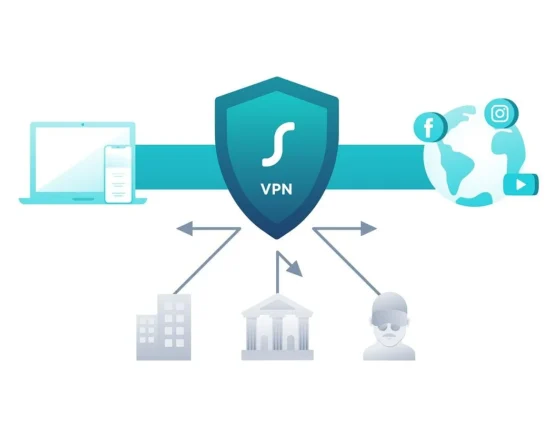
Cybersecurity has taken on greater importance as remote work grows. Endpoint protection software, multi-factor authentication (MFA), and virtual private networks (VPNs) ensure that workers can work safely from any location. To safeguard sensitive data and ensure compliance in a decentralized setting, businesses are increasingly investing in zero-trust security models.
5. Artificial Intelligence and Automation
By enhancing decision-making and automating repetitive tasks, AI is further transforming remote work. Chatbots, virtual assistants, and data analytics tools are improving productivity and enabling employees to focus on more strategic, creative work. AI-driven insights also help employers measure engagement, optimize workflows, and predict operational challenges.
The Benefits of Remote Work
1. Flexibility & Balance
Managing Work and Life is one of the most celebrated benefits of remote work is flexibility. By coordinating their work schedules with their personal lives, employees can cut down on stress and time spent commuting. Better work-life balance and overall well-being are facilitated by this autonomy. Employees who work remotely frequently report higher levels of job satisfaction and lower rates of burnout, according to studies. People with disabilities, parents, and others who might have been shut out of traditional workplaces have found new opportunities thanks to flexibility. Additionally, the adaptability to create a bespoke work environment has been transformative. Some people work better in complete silence, while others like to work with background music or coffee shop noise. Individuals can optimize their environment for optimal performance through remote work.
2. Productivity Changes
Despite initial doubt, remote work has frequently increased productivity. Many workers find that they are able to concentrate better at home or in other settings of their choice when they are free from the distractions of the workplace. Additionally, digital tools improve communication efficiency, reduce delays, and streamline workflows. Meetings, frequent interruptions from coworkers, and background noise are all common features of the conventional office setting. Longer periods of focused, uninterrupted work—sometimes referred to as “deep work”—can be achieved by remote workers thanks to their enhanced environment control.
3. Access to Global Talent
Remote work removes geographical hiring constraints for employers. Now that top talent can be hired from anywhere in the world, teams can be more diverse and dynamic. This global reach also fosters innovation, as varied perspectives and experiences lead to more creative problem-solving.
4. Cost Savings
By reducing the size of their offices, businesses have saved a lot of money. Costs associated with office supplies, rent, utilities, and maintenance have significantly decreased for companies that have adopted remote work. Some businesses have eliminated all physical offices and adopted hot-desking models, in which employees share workspace on days when they do come in. Businesses have been able to increase investments in employee benefits, technology infrastructure, and other areas that have a direct impact on productivity and job satisfaction as a result of these cost savings.
5. Money Savings
People who work from home half time can save around $6,000 per year. You can reduce or eliminate your spending on gas, car maintenance, transportation, parking, a professional wardrobe, purchased lunches, and more. The cumulative effect of these savings is more money in your pocket. Additionally, the savings are not restricted to employees. As more and more companies allow employees to continue working remotely, they’ll also see significant long-term cost savings.
Challenges of Remote Work
- Isolation and Loneliness: Remote employees often miss the casual social interaction and camaraderie of an office environment, which can lead to feelings of professional and personal isolation.
- Problems with Communication and Collaboration: When teams are not physically located together, it can be more difficult to communicate in real time and work together spontaneously, which could slow down the process of solving problems and sharing information.
- Work-Life Boundary Blurring: Employees may find it difficult to “switch off” after work hours if there is no physical separation between home and office, which could lead to overworking and burnout.
- Maintaining Company Culture and Morale: Building and sustaining a cohesive team culture, shared values, and high morale can be challenging when employees rarely or never interact in person.
- Problems with technology and connectivity: Working from home necessitates dependable internet connections and technology. Workflows can be disrupted and frustrated due to technical issues, poor Wi-Fi, or IT security threats.
The Future of Remote Working
The hybrid model will emerge as the predominant approach for many organisations in the future of work, rather than a one-size-fits-all model. Instead, the future of work will see a dynamic, long-term shift toward flexible arrangements. While some jobs and businesses will continue to offer full-time remote work, the current trend is toward a combination of in-office collaboration and remote adaptability to increase productivity, employee satisfaction, and talent retention. Technology will play a crucial role, with advancements in collaboration tools and virtual reality creating more immersive and efficient remote work experiences. However, as businesses incorporate this flexibility into their long-term strategies, they will need to pay close attention to overcoming obstacles like preserving the company’s culture, ensuring that remote workers are treated equally with in-office workers, and adapting management styles. The global talent pool will be permanently reshaped as a result of this evolution, which will encourage individuals to live and work wherever they choose.
This is a permanent change to the way work is done because many workers are willing to leave jobs that don’t offer flexible options and strong employee demand for autonomy and work-life balance. The ability for businesses to access a truly global talent pool, the widespread adoption of AI-powered collaboration tools and virtual reality (VR) to enhance distributed teamwork, and a strong emphasis on cybersecurity and employee well-being initiatives to prevent burnout and ensure secure operations are key trends.
Ultimately, the future workplace will be more adaptable, technologically advanced, and centered on flexible arrangements that meet evolving employee expectations while leveraging cost savings and enhanced productivity for businesses.