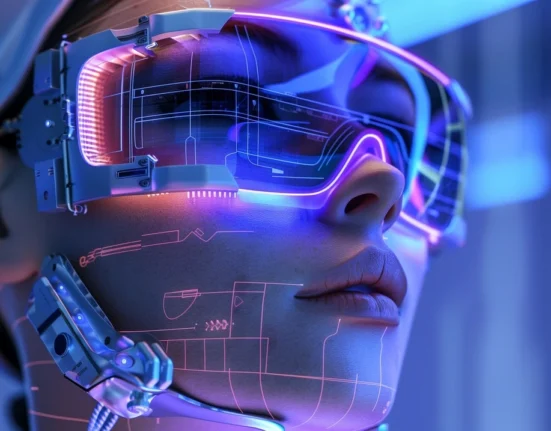

Robots used to look like something from science fiction: futuristic machines doing impossible things. Fast forward to today, and robots are no longer confined to the pages of novels or movie screens. Robots are quietly and effectively integrating into our daily routines, serving as everything from smart home assistants to automated factory workers. The way we live, work, and interact with technology is being reshaped by its increasing presence.
There are many kinds of robots. Some walk on two, four, or even six legs, while others move on wheels. Drones and underwater robots both can fly and swim. Some robots work in clean facilities to make delicate microchips, while others work in dusty auto factories. There are coin-sized robots as well as refrigerator-sized robots. Pancakes can be made by some robots. Mars can be reached by others. It is difficult to define what a robot is because of its diversity in size, design, and capabilities.
Types of Robots
As robotics manufacturers continue to deliver innovations across capabilities, price, and form factor, robotics solutions are being implemented in an ever-increasing number of industries and applications. Because of advancements in AI and processing power, we are now able to use robots for a variety of important tasks. Today’s robots can generally be divided into seven categories, despite the wide range of applications—giving directions, stocking shelves, welding metal in dangerous environments, and many more.
- Mobile autonomous robots (AMRs)
AMRs move throughout the world and make decisions in near real-time as they go. They are assisted in absorbing information about their surroundings by technologies like sensors and cameras. They can use the onboard processing equipment to analyze it and make informed decisions, such as moving to avoid an approaching worker, selecting the appropriate parcel, or disinfecting the appropriate surface. They’re mobile solutions that require limited human input to carry out a task.
- Automated Guided Vehicles (AGVs)
AGVs rely on tracks or predefined paths and frequently require operator oversight, whereas AMRs can move freely through environments. In controlled environments like warehouses and factory floors, these are frequently used to deliver materials and move things.
- Articulated Robots
The purpose of articulating robots, also referred to as robotic arms, is to replicate the functions of a human arm. Typically, these robots can feature anywhere from two to 10 rotary joints. They are ideal for arc welding, material handling, machine maintenance, and packaging because they allow for a greater range of motion with each additional joint or axis.
- SCARA machines
A particular kind of robotic arm known as a Selective Compliance Articulated Robot Arm (SCARA) is designed to move quickly and precisely within a cylindrical workspace. They are ideal for vertical assembly tasks in which components must be inserted from above. They are frequently utilized in pick-and-place, assembly, and packaging processes.
- Humanoids
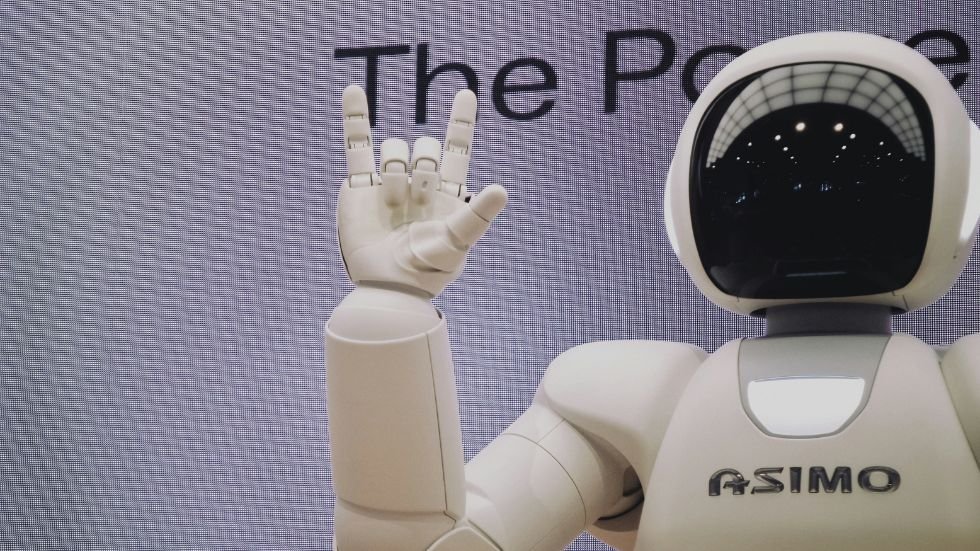
While many mobile humanoid robots may technically fall under the domain of an AMR, the term is used to identify robots that perform human-centric functions and often take humanlike forms. As they carry out tasks like giving directions or providing concierge services, they use a lot of the same technology as AMRs to sense, plan, and act.
- Cobots
Cobots, also known as collaborative robots, are made to work alongside humans or directly with them. While most other types of robots perform their tasks independently or in strictly isolated work areas, cobots can share spaces with workers to help them accomplish more. They frequently aid in the elimination of laborious, risky, or manual tasks from everyday workflows. Cobots can sometimes function by observing and learning from human movements.
- Hybrids
A lot of the time, different kinds of robots are combined to make hybrid solutions that can do more difficult tasks. A robot for package handling in a warehouse could be made by combining an AMR and a robotic arm. Compute capabilities are also being consolidated as more functionality is combined into single solutions.
How are robots becoming part of everyday life?
1. Robots in our house
Our homes are one of the most obvious places where robots have entered our daily lives. Domestic robots are designed to simplify routine chores and enhance comfort.
- Cleaning Robots: Autonomous vacuum cleaners like the Roomba and Roborock can clean floors, navigate furniture, and recharge themselves.
- Kitchen Robots: Smart appliances, from robotic coffee makers to AI-powered cooking assistants, are helping prepare meals with precision and minimal effort.
- Personal Assistants: Voice-activated robots like Amazon Alexa and Google Assistant can seamlessly control smart lights and thermostats and even provide entertainment.
These innovations save time, reduce manual effort, and make home environments more efficient and connected.
2. Robots in Healthcare
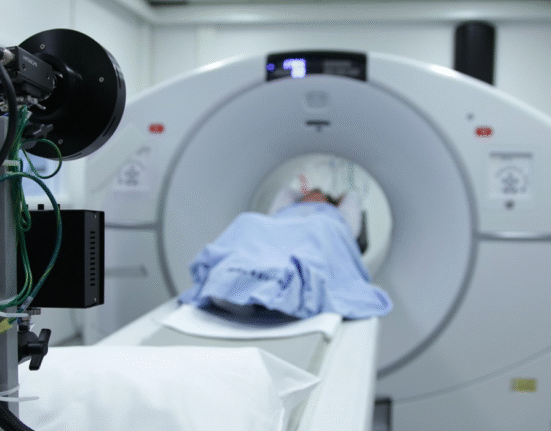
Robots are making significant contributions to healthcare by supporting medical professionals and improving patient care.
- Surgical Robots: Systems like the da Vinci Surgical System allow doctors to perform minimally invasive surgeries with incredible accuracy.
- Care Robots: Companion robots like the robotic seal Paro provide patients who are elderly or isolated with emotional support.
- Rehabilitation Robots: These assist people recovering from strokes or injuries, helping them regain mobility with consistent, guided exercises.
Healthcare robots are changing the way medical treatment and caregiving are done by being precise, consistent, and designed with empathy in mind.
3. Robots in the Workplace
Industries are being reshaped by automation, and robots are at the forefront of this change.
- Manufacturing: Industrial robots increase productivity and safety by performing tasks like welding, assembly, and packaging.
- Logistics and warehouse management: Robotic systems are used by companies like Amazon to move goods quickly through vast warehouses.
- Service Industry: Hotel, airport, and restaurant delivery robots and automated kiosks are taking over repetitive service jobs.
While this has brought up concerns about the loss of employment, it has also opened up new opportunities for people to concentrate on design, system management, and creativity.
4. Robots in Education
Education is another field seeing the rise of robotics.
- Teaching Assistants: Students can be engaged in interactive learning sessions with robots like NAO and Pepper.
- STEM Education: Robotics kits inspire the next generation of innovators by teaching coding and engineering principles.
- Accessibility: Students with special needs are receiving assistance from robots, which provide individualised learning opportunities.
By making learning interactive and hands-on, robots are helping students develop critical problem-solving skills.
5. Robots in Transportation
The robotic revolution is sweeping the transportation sector.
- Autonomous Vehicles: In an effort to cut down on accidents caused by human error, self-driving vehicles are currently being tested and, in some instances, are already operating in cities.
- Drones: In remote areas, delivery drones are transforming the method by which goods are received.
- Public Transportation: Robots are now used to clean, direct passengers, and handle luggage at some train stations and airports.
These developments point to a future in which transportation will become safer, more environmentally friendly, and more effective.
The Future of Robotics
Robots will become even more adaptable and accessible as artificial intelligence advances. Personal robots that know how to feel, can do complicated housework, and work well with humans should be on the horizon. However, to ensure a harmonious relationship between humans and machines, this advancement also requires thoughtful regulation, ethical considerations, and public acceptance.
Nowadays, robots are more than just useful tools; they are partners in everyday life. Robots are quietly reshaping how society functions, whether it’s by assisting with chores, driving us to work, or assisting in surgeries. One thing is abundantly clear as technology continues to advance: the era of everyday robotics has already begun, and its potential to enhance our world is endless.